The QR Code on the Table: A Sign of the Times
Remember the familiar dance of dining out? You'd catch a server's eye, wait for a menu, then flag them down to order, and again for the check. That classic service model is still key to hospitality. But now, a new element has appeared on tables worldwide: the humble QR code. The global COVID-19 pandemic sped up the adoption of contactless ordering systems for restaurants. What started as a temporary solution is now a permanent part of the dining scene. This tech shift does more than just cut down on physical contact. It's fundamentally changing how restaurants operate, what customers expect, and how a meal flows.
Diners gain new autonomy. For restaurant owners, it's a powerful tool. It boosts efficiency, increases revenue, and collects valuable data. Yet, it also brings up questions about the future of service and human connection in hospitality. In this guide, we'll explore contactless ordering systems for restaurants. We'll look at their types, benefits, implementation challenges, and what's next for this changing technology.
What Exactly Are Contactless Ordering Systems?
A contactless ordering system is a digital platform at its heart. It lets customers view a menu, order, and pay for their meal. They use their own device, usually a smartphone. This means no physical menu or credit card exchange. The process reduces direct contact between staff and guests, making the dining experience smoother.
The idea isn't entirely new. For example, fast-food giants like McDonald's have used self-service kiosks for years. Brands like Starbucks also led the way with mobile order-ahead. However, the pandemic made these systems vital for dine-in restaurants. This technology typically fits into a few main categories:
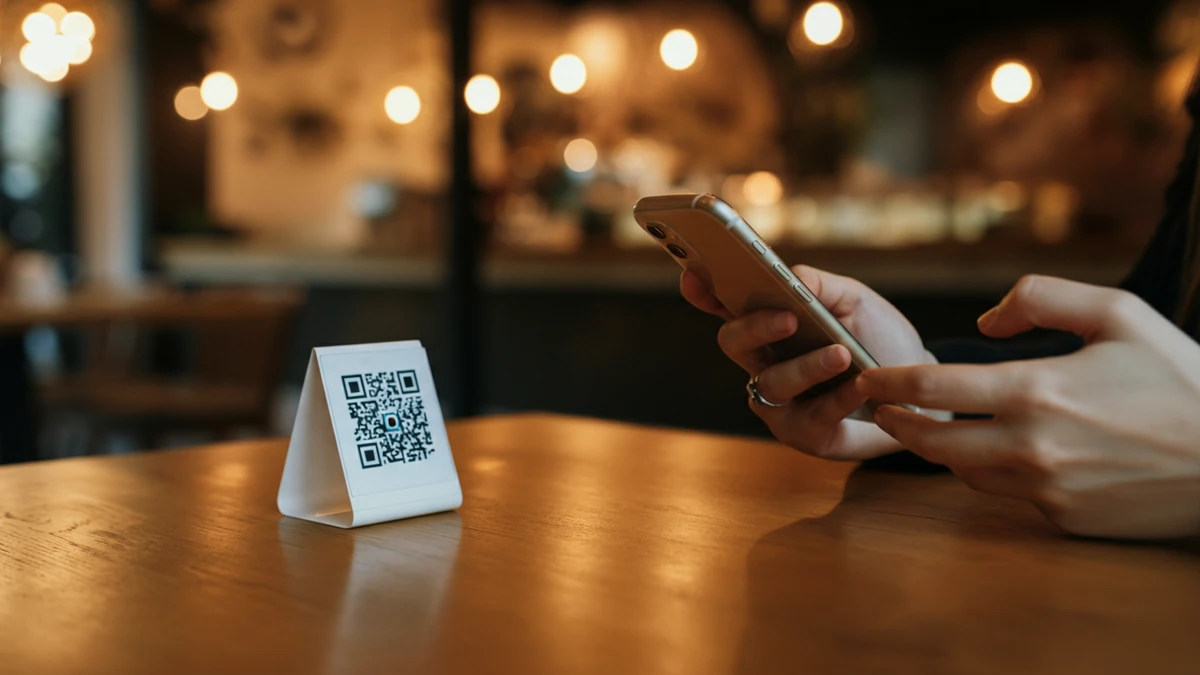
- QR Code Menus: This is the most common form. A guest scans a unique QR code at their table, which opens a digital menu in their phone's web browser. From there, they can browse, order, and often pay directly.
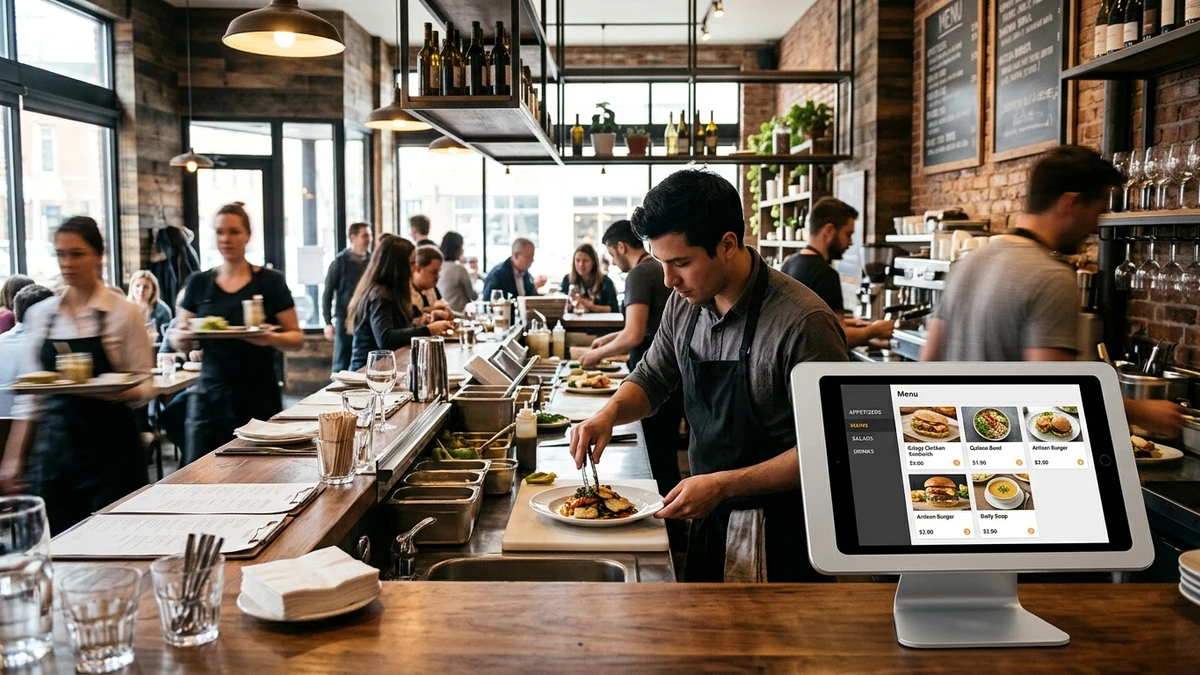
- Tableside Tablets: Some restaurants provide dedicated tablets at each table. These provide a richer, more controlled user experience. Customers don't need their own device, but the tablets do require sanitizing.
- NFC (Near Field Communication): Similar to QR codes, NFC technology allows a guest to simply tap their phone on an enabled chip at the table to launch the ordering platform. It's faster than scanning a code but requires a phone with NFC capabilities.
Sophisticated software platforms power these front-end experiences. Companies like Toast, Square for Restaurants, and Olo offer them. These systems often link directly with a restaurant's Point of Sale (POS) system. They send orders straight to the kitchen display system (KDS) for immediate preparation. This smooth integration unlocks the full potential of contactless technology.
The Overwhelming Benefits for Restaurants and Diners
The widespread adoption of contactless ordering isn't just a trend; it's a response to clear, measurable advantages for both the business and the customer. While the initial driver was hygiene, the long-term benefits are rooted in efficiency and an enhanced experience.
For Restaurant Owners:
- Increased Efficiency and Accuracy: Orders go straight to the kitchen digitally. This removes the risk of servers mishearing or misreading handwritten tickets. It cuts down on errors and food waste. Staff can then focus on guest experience, not just taking orders.
- Higher Average Order Value (AOV): Digital menus are great upsellers. They use enticing photos and automated prompts, such as “Add avocado for $2” or “Make it a large?”. Customers are then more likely to add extras. A Deloitte report shows digital ordering can boost average check size by up to 20%.
- Faster Table Turnover: Guests can order and pay on their own schedule. This system removes two big time wastes: waiting to order and waiting for the check. Restaurants can serve more guests during busy times, directly increasing revenue.
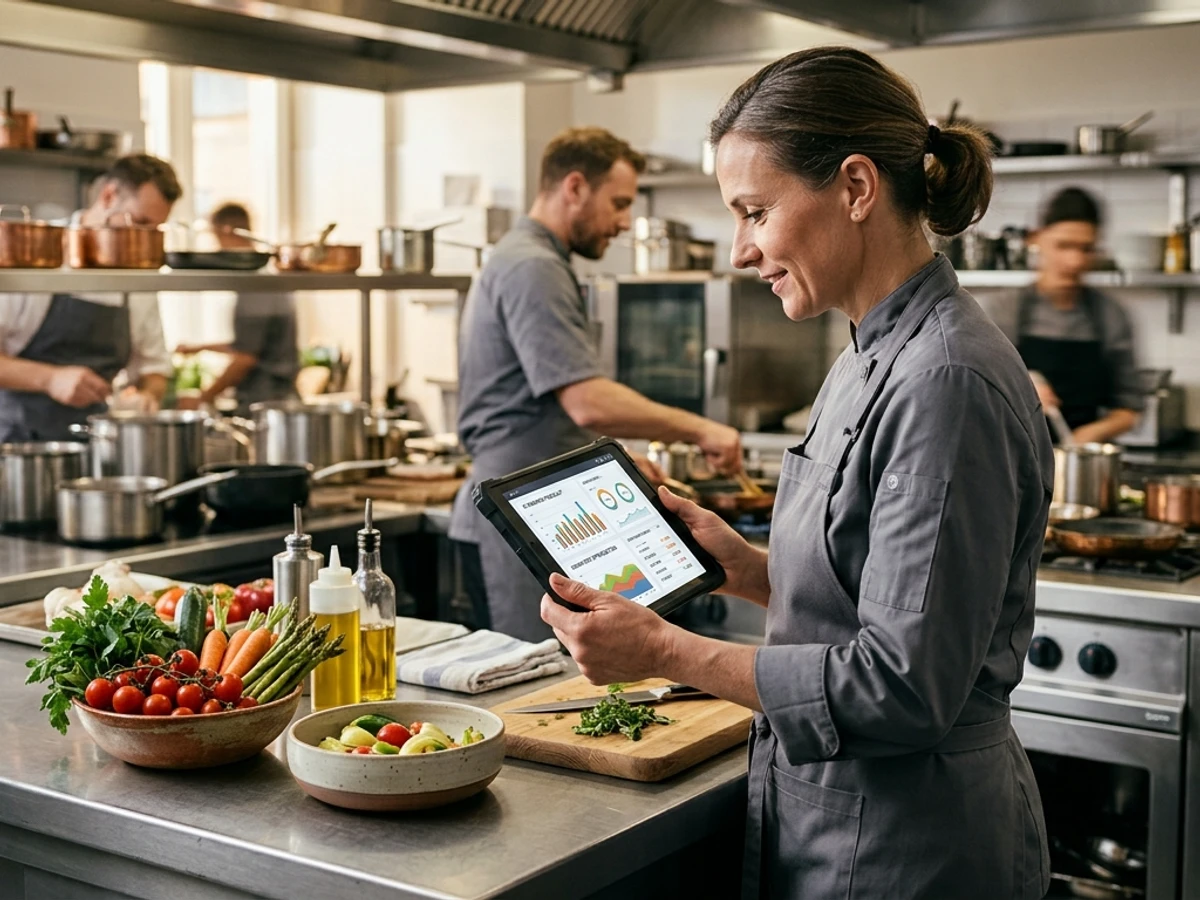
- Valuable Customer Data: These systems gather a wealth of data. You can see popular menu items, busiest times, and effective upsells. This information is vital for smart business decisions, from menu design to staff planning.
For Diners:
- Control and Convenience: Guests control their experience. They can browse the menu at their own pace. They can order another drink when they want it. They can also pay and leave without waiting for a busy server.
- Visual Menus and Accuracy: Digital menus offer high-quality photos and detailed descriptions for each item. This helps customers choose with confidence. They can also review their cart clearly before submitting. This ensures the order is exactly what they want.
- Easy Bill Splitting: The old problem of “Can we split this four ways?” is solved with a few taps. Most systems let guests easily split the bill by item or evenly among their group.
Navigating the Challenges and Human Element
Despite its benefits, moving to contactless ordering has challenges and critics. A common worry is that technology takes away from hospitality's core: human connection. Some diners miss the personal recommendations and friendly chat of traditional service. In fine dining, where curated service is vital, a digital interface can feel cold and impersonal.
There are also practical challenges:
- The Digital Divide: Not all customers are tech-savvy. Older guests or those without a smartphone may feel frustrated or excluded by a digital-only system.
- Implementation and Costs: Integrating a new system with an existing Point of Sale setup can be complex and costly. Also, consider subscription fees and payment processing charges from providers like Toast or Square for Restaurants.
- Loss of Spontaneous Upselling: Digital menus excel at automated suggestions. However, they can't replace a skilled server. A good server reads the table and suggests specific wine pairings or desserts based on conversation.
At FunSpot.ai, we view technology as a strong partner for hospitality, not a replacement. We believe the best experiences occur when technology handles logistics. This frees up staff to focus on what truly matters: creating a welcoming atmosphere, giving personalized recommendations, and making guests feel cared for. Effective contactless ordering systems for restaurants exemplify this. They streamline processes, allowing your team to provide better, more meaningful service.
The Future of Contactless Dining: AI, Personalization, and Beyond
Contactless ordering technology keeps evolving. A simple digital menu is now becoming a sophisticated, AI-driven platform. It personalizes the dining experience. Industry analysis from firms like Gartner suggests the future of restaurant tech involves hyper-personalization and smooth integration.
Here’s what’s on the horizon:
- AI-Powered Recommendations: Imagine a menu that changes based on your past choices, dietary needs, or even the weather. AI algorithms will soon give personalized suggestions, just like Netflix recommends shows.
- Integrated Loyalty Programs: Contactless systems will automatically spot loyal customers. They will apply discounts and rewards without needing a separate card or app.
- Voice Ordering: As voice assistant technology improves, you may soon be able to simply speak your order to your phone or a tableside device.
- Dynamic Pricing: Dynamic pricing might be controversial. Still, some restaurants may try it using digital menus. They could offer specials during slower hours to attract more customers.
The goal is a system that feels less like a sterile interface. Instead, it should act like a personal concierge, anticipating your needs. This will make dining smoother and more enjoyable. This goal matches the data-driven approach the National Restaurant Association highlights in its annual trend reports.
As these digital systems become standard, the next wave of innovation is already here, with many venues now exploring the possibilities of AI voice ordering for restaurants.
Is a Contactless System Right for Your Business?
Ultimately, the decision to implement one of the many contactless ordering systems for restaurants depends on your specific concept, clientele, and goals. For a high-volume quick-service restaurant (QSR) or a casual pub, the efficiency gains and increased order values can be a game-changer. For a high-end tasting menu restaurant, a hybrid approach—perhaps using technology for payment but preserving traditional ordering—might be more appropriate.
The key is not to see technology as all-or-nothing. It's a tool. Used thoughtfully, it can fix operational issues. It also empowers staff to give better service. This provides customers with a modern, convenient experience they'll value. By knowing both the strong benefits and possible downsides, you can make a smart choice. This will strengthen your business for the future.
As the hospitality landscape continues to evolve, leveraging the right technology is crucial for staying competitive. At FunSpot.ai, we're focused on helping venues connect with the right customers through intelligent discovery. Understanding and implementing modern operational tools is a key part of that success.